TFL Confirms Cable Car for 2012 Olympics

Posted July 23rd, 2010 by adosini and filed in Olympics 2012

Cable Car in Rio de Janeiro. Photo by Phil Whitehouse

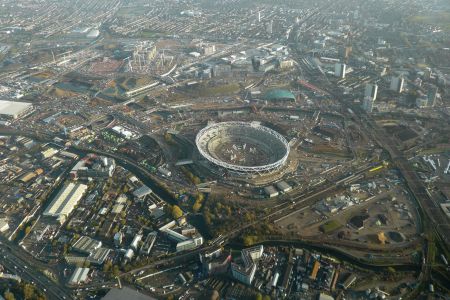
Transport for London (TfL) has confirmed plans to open a cable car in time for 2012 Olympics, operating 50 metres above water between the Greenwich Peninsula and Royal Docks. The cable car is to transport up to 5,000 passengers (cyclists and pedestrians) per hour, between the two Olympic venues (the O2 arena and ExCel exhibition centre). The duration of the trip will be approximately 5 minutes one-way, cars running every 30 seconds. According to the Guardian, the system will be privately funded, costing £25 million provided by a number of potential operators.

London Mayor Boris Johnson claims that “A cable car spanning the majestic Thames would not only provide a unique and pioneering addition to London’s skyline, but also offer a serene and joyful journey across the river”. “Passengers will be able to drink in the truly spectacular views of the Olympic Park and iconic London landmarks whilst shaving valuable minutes from their travelling time”, he continues. Johnson believes that the cable car will provide a much-needed enhancement of cross-river options to the east of the city.

Former Labour Mayor Ken Livingstone does not object to the idea, as a cable car would be a development for the area. However, he states that “what is really needed is a road bridge that would carry more commuters.” The other alternative types of river crossing , according to professors of transport, are a rail-only bridge, a new river-ferry crossing, a walk and cycle-only bridge, and a car bridge adapted to take more public transport. The professors claim that a cable car would be the most sustainable of these. The question here, however, is whether a cable car is the most realistic option? Or is this an attempt to keep up with other major cities of the world?

Barcelona, Cologne, Hong Kong, Lisbon, New York and Singapore are amongst the cities
currently employing a cable car. Does TfL feel that London is lagging behind? After the Olympics, will the public want to use the cable car as an every-day mode of transport? Not only does it sound unrealistic to think that the public will choose to “take the cable car” to work, but the route (from one place in the middle of nowhere to another) seems extremely Olympics-centred. Will the cable car be purely used as a way to impress the masses of tourists organisers claim will visit London in 2012? (In fact most host cities experience a drop in tourism during the Olympics) Quoting Tfl analysts, it certainly seems so: “A cable car would bring excitement and iconic importance, which would generate interest in tourist visits.” Let’s go fly a kite.

Click London Olympics for more blogs
See our Olympics project pages for more information and videos.
Or visit PlanA our general blog on urbanism, planning and architecture.

Spectacle homepage
Befriend Spectacle.Docs on Facebook
Follow SpectacleMedia on Twitter

Share and Enjoy:
  • Print
  • Digg
  • StumbleUpon
  • del.icio.us
  • Facebook
  • Yahoo! Buzz
  • Twitter
  • Google Bookmarks
  • Add to favorites
  • Current
  • email
  • Google Buzz
  • Identi.ca
Tags: , , , , , , , , , , , , ,
Add a Comment

There are no plans to build the Battersea Tube Station – Sadiq Khan MP, Minister of State for Transport

Posted December 1st, 2009 by BabylonDon and filed in Battersea Power Station, planA

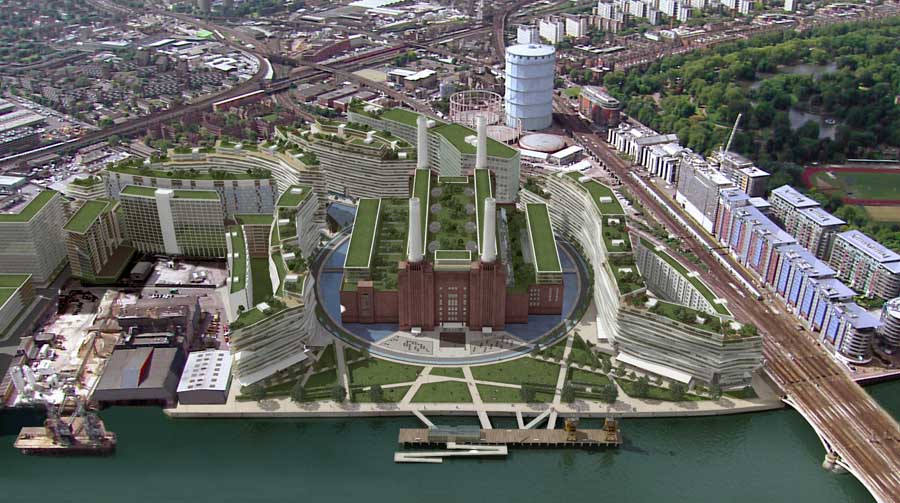
Proposed Tube Plan

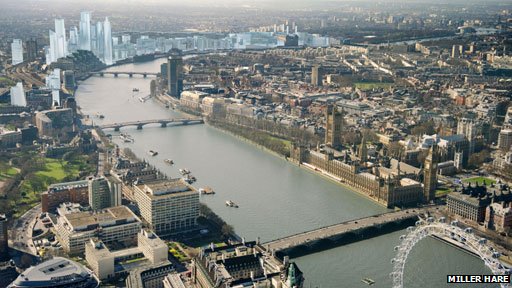
Proposed tube extension

Sadiq Khan MP, Minister of State for Transport, confirmed that there are no plans to build the Battersea tube extension and no public money from either the Mayor or the government for such a scheme- dashing the hopes for the Battersea Power Station development.

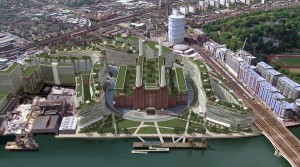
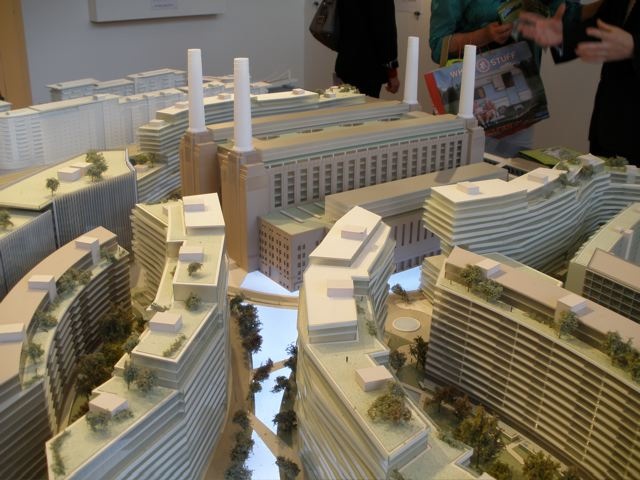
Owners of Battersea Power Station, REO (Real Estate Opportunities), claim their plans for the Power Station, currently out for public consultation, depends on the extension of the Northern Line to a new tube station at Battersea (near to Battersea Park rail Station.)  Khan’s unequivocal statement bangs the nail in the coffin of a public funded tube extension.

Besides the recently announced £4 billion short fall in Transport for London’s budget the Battersea tube project was never likely to happen for a number of reasons.

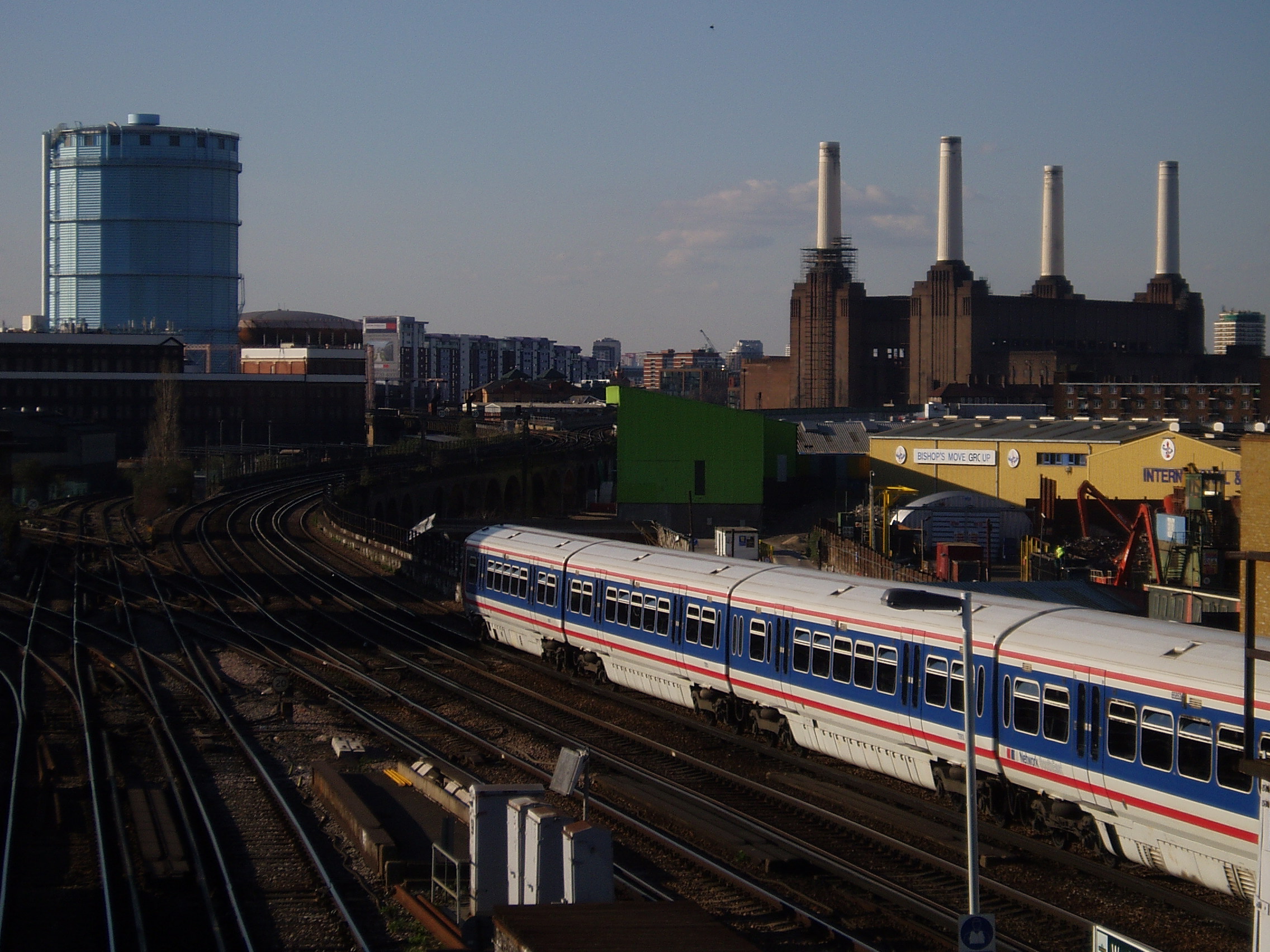
The site is well connected by buses and only a short walk to Vauxhall and one stop by train to Victoria. Nearby Queenstown Rd Station connects in minutes to Waterloo and Clapham Junction.

While Battersea has long wanted a tube station a bizarre two stop branch from Kennington is not the answer. As a cul-de-sac it will either be a shuttle service or will have to have two platforms (or the shunting infrastructure) for tube trains to “turn around”.  What is needed is an integrated transport scheme.

For a tiny fraction of the cost extra buses or even a tram line could improve the connections between Victoria, Vauxhall and Waterloo, all more useful transport nodes  than Kennington on the already over crowded Northern Line. Overhead rail infrastructure exists but there is simply not enough rolling stock. The Victoria to London Bridge service that goes via Battersea Park Station has a useless two trains an hour. More frequent  trains could make it a very useful line. A bus linking Clapham Common tube, via Chelsea Bridge, with Victoria, Pimlico and Westminster tube stations would go a long way to integrating transport of the area.

Finally even with REO’s dense and greedy plans for developments all around the power station there will simply not be enough people in the station’s catchment area to make it viable. The proposed US Embassy would be as near to Vauxhall so why bother going all that way to Battersea tube simply to arrive at Kennington?

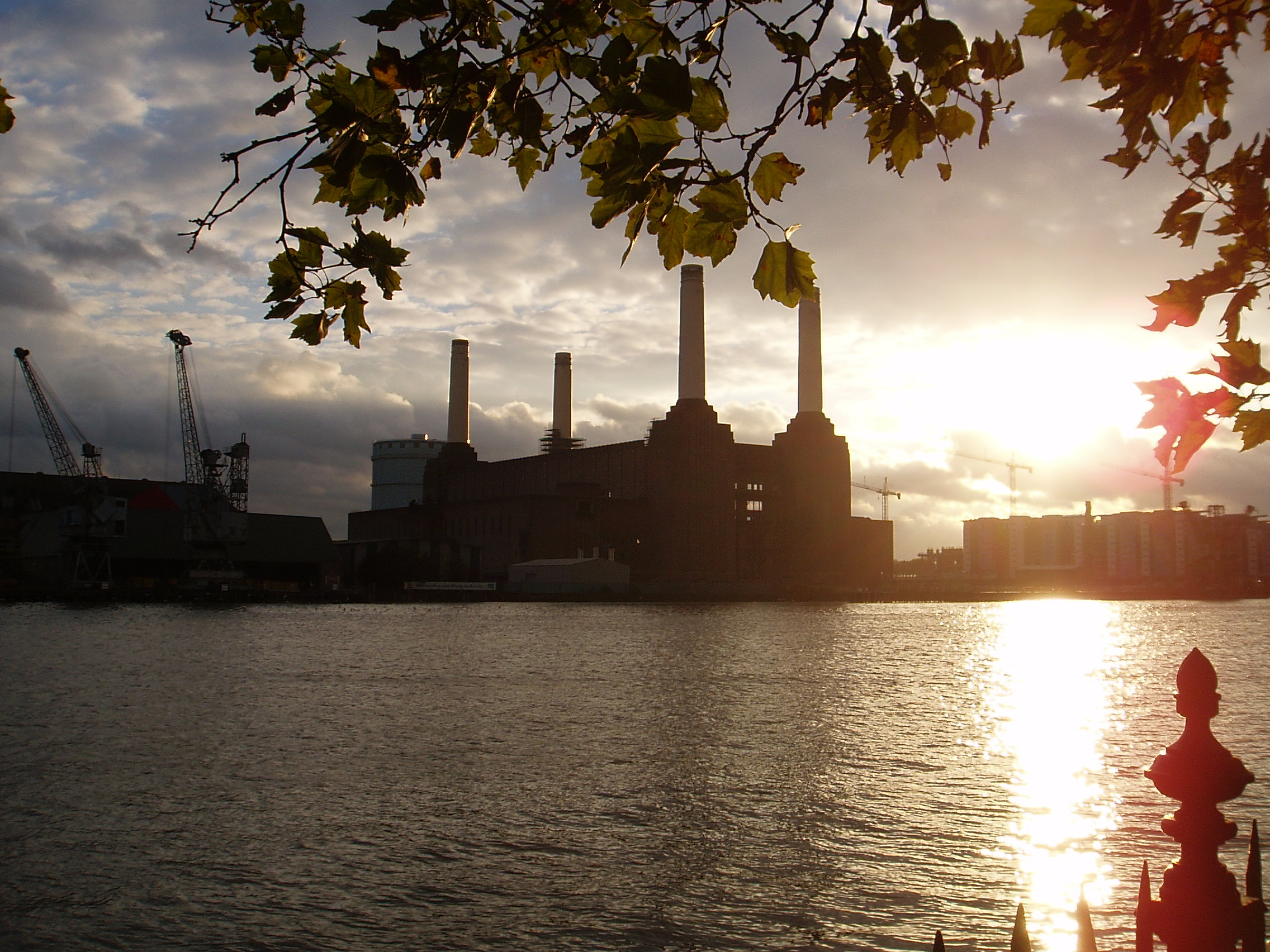
REO claim they are going to pay for the tube and it will not need public money but with debts of £1.6 billion REO are hardly in a position to engage in tunnelling, one of the construction industry’s most expensive activities. They do not seem to even have the money to repair broken windows in the Power Station.

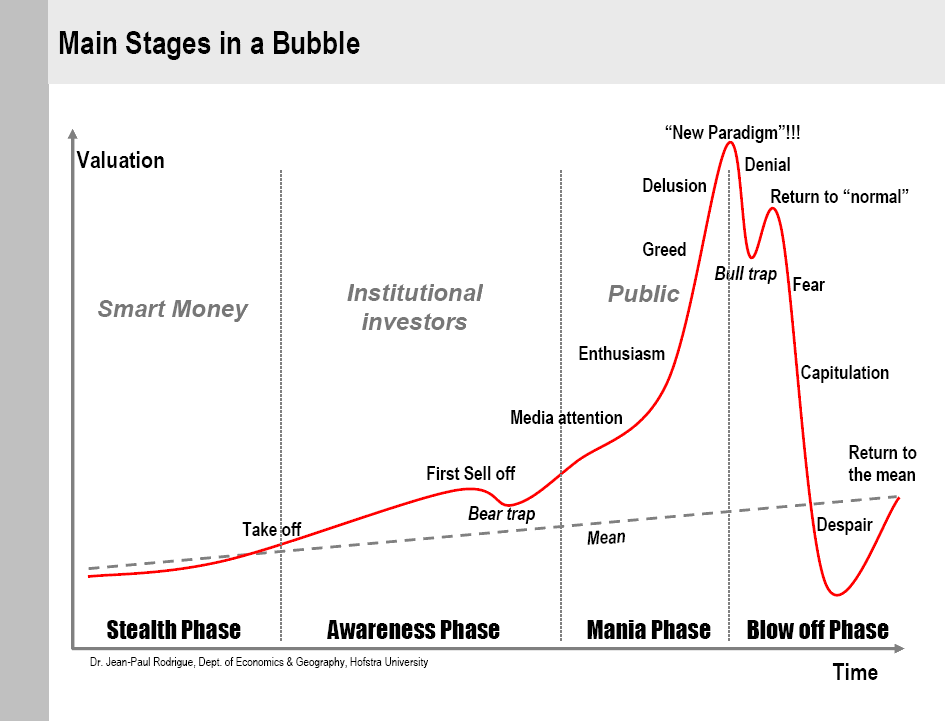
The reality is that REO have made a seriously bad investment, they bought the site for £400m at the height of the property market. The previous owner had bought it for £100m only a few years earlier. The only way REO can recoup their investment is to demolish the power station. Without the power station the site is one of Europe’s biggest and most valuable inner city brown field sites. REO insist the tube line extension is key to their development but it is just a red herring that simultaneously wins support from locals keen for transport improvements and plays for time. It adds to the delaying tactic of perpetual deferment while the building is allowed to rot and fall down.

REO’s plan far from benefiting Battersea condemns the area to years more planning blight, their pie-in-the-sky transport scheme will never happen and only distracts attention from intelligent, achievable improvements.

Visit Spectacle’s on-going Battersea Power Station Project

Watch a video trailer here: Battersea Power Station – The Story So Far

Subscribe to our newsletter mailing list, visit our contact page to subscribe

If you live in the neighbourhood and would like to get involved, contact us here putting Battersea Power Station in your message.

Click here for more Battersea Power Station links

Spectacle Home Page

If you would like to object to the planning applications you have until January 31st 2010 click here for more details.

For more information about Spectacle’s Battersea Power Station project including video interviews.

To read more blogs about Battersea Power Station

Share and Enjoy:
  • Print
  • Digg
  • StumbleUpon
  • del.icio.us
  • Facebook
  • Yahoo! Buzz
  • Twitter
  • Google Bookmarks
  • Add to favorites
  • Current
  • email
  • Google Buzz
  • Identi.ca
Tags: , , , , , ,
Add a Comment